MENU
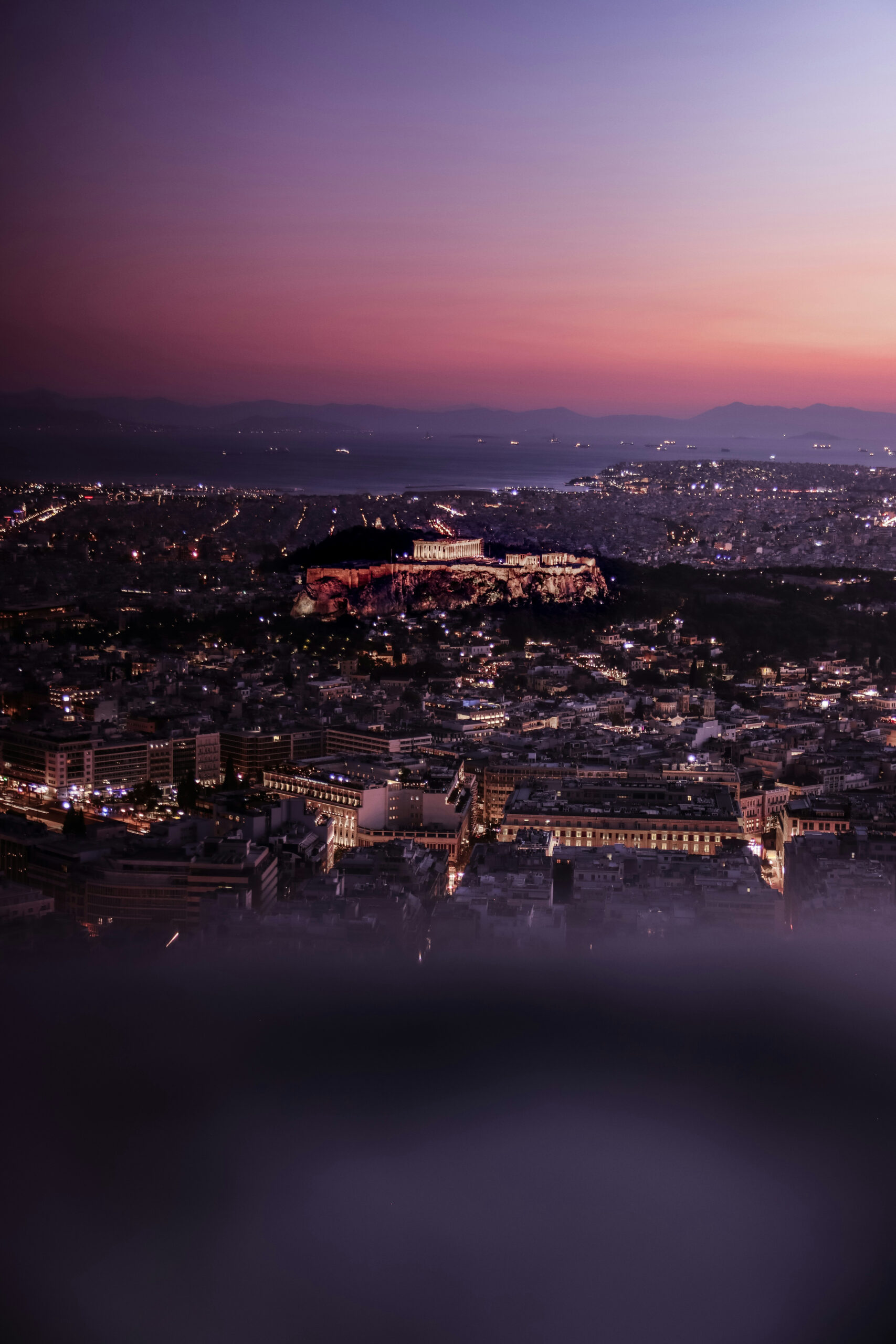
Emperose Residence is located in one of the oldest quarters of Koukaki, known as Gargareta. The name likely has Italian roots, possibly from the Gargaréta family, though in Greek slang “gargareta” also refers to the sea – an onomatopoeic word, much like the ancient gárgaros. While the name has gradually fallen out of use, the area has retained its distinct charm and character.
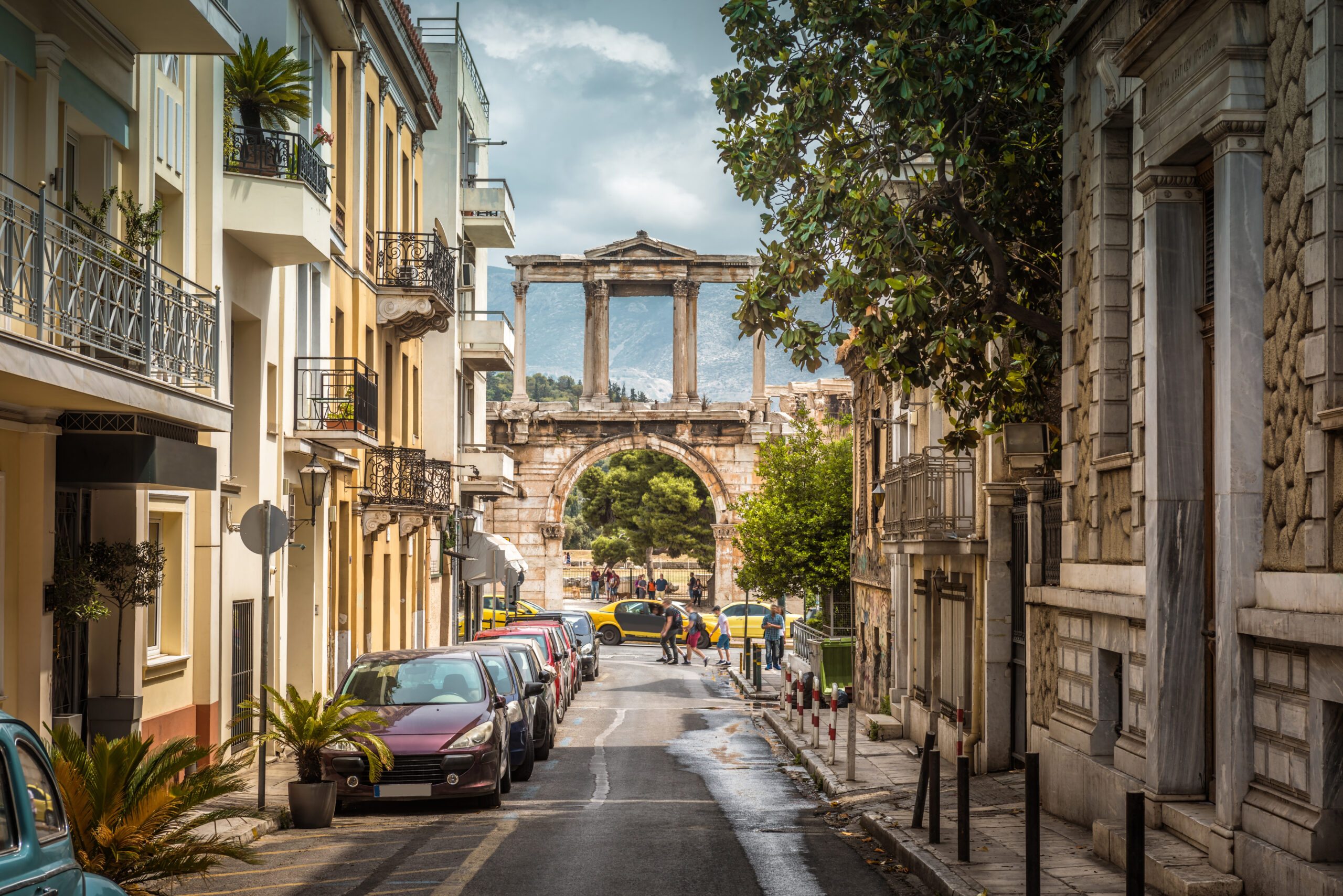
Koukaki, built on the southeastern slopes of Philopappos Hill and just a short walk from the Acropolis, is a historic and lively neighborhood. It was named after Georgios Koukakis, the owner of a metalworking factory that once operated in the area. Over the course of the 20th century, the neighborhood gradually took shape, and today it offers a blend of 1960s apartment buildings, small detached homes, and low-rise structures along peaceful, shaded streets. One of the most densely populated districts in central Athens, Koukaki pulses with life, with eateries, cafés, and bars open from early morning until late at night. At the same time, it retains a strong local character—marked by leafy courtyards, a sense of community, and the warmth of a “good morning” exchanged between neighbours.
The area has long been associated with figures from the world of arts and letters, such as Alexandros Voutyras, Dimitris Alexandrakis, the sculptor Dimitriadis, and the historian Vlachogiannis. Its cultural soul is reflected in landmarks like the historic Silivani tavern—a beloved gathering spot that embodies the neighborhood’s popular, traditional spirit.
Just a breath away lies the district of Makrygianni, named after General Ioannis Makrygiannis, hero of the Greek War of Independence, who lived here. The area witnessed major historic events, including the 1843 uprising that led to Greece’s first Constitution. Today, it hosts key cultural and academic institutions such as the Scandinavian and Dutch Institutes, the Institute of International Relations, the National Book Centre, and the Cultural Foundation of the National Bank of Greece.
A few steps further along, Dionysiou Areopagitou Street unfolds beside the Acropolis. This iconic pedestrian thoroughfare was named after Saint Dionysius the Areopagite, the city’s first bishop. The street is lined with elegant neoclassical mansions—many now housing embassies—and was the site of important archaeological discoveries in the 20th century, including the ancient residence of philosopher Proclus. Standing along the way, the statue of General Makrygiannis reminds passersby of the area’s deep historical roots.
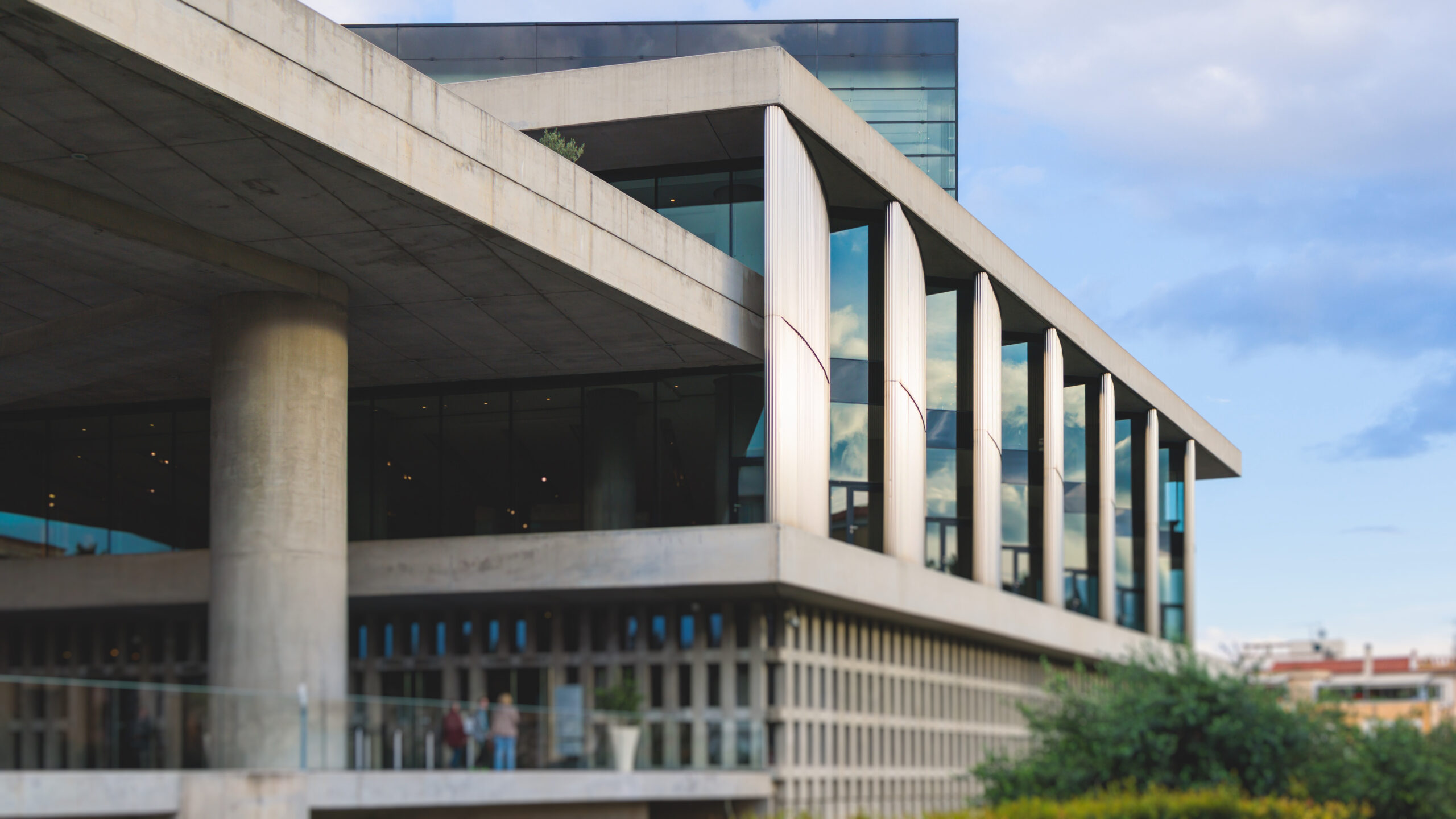
At the far end of the promenade, the New Acropolis Museum rises as one of Greece’s foremost cultural landmarks. Envisioned by Melina Mercouri, the museum was designed by Swiss architect Bernard Tschumi in collaboration with Greek architect Michalis Fotiadis. It opened in 2009 and presents the treasures of the Acropolis in a modern, minimalist setting—its glass floors revealing the ancient ruins beneath the building itself.